
By Randy Mootooveran
Remaking animated classics into live action has become more popular in recent years than ever before, but is it worth the cost?
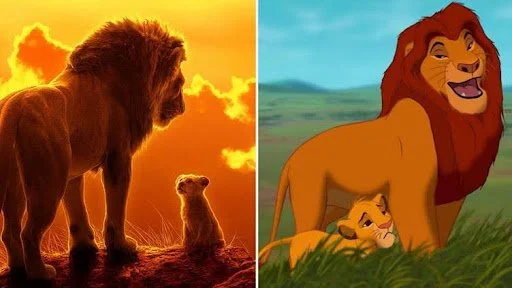
(Image Source: ScreenRant article by Brittany Fischer)
Disney is the most prolific company today when it comes to pushing live-action remakes, many of which have overshadowed their original releases across the last decade. The 2019 The Lion King remake in particular became one of the biggest box office hits ever, and with their recent success with Lilo and Stitch early in 2025, it’s safe to say that more will be on the way. However, while many of these remakes have earned close to a billion dollars each, backlash has begun festering over the very concept of these projects.
In spite of its financial triumphs, the 2019 Lion King remake hasn’t become as beloved as the original 1994 film. That fact became transparent earlier in the year when its prequel film, Mufasa, fell short of a billion in the theaters while receiving far more contemptuous reviews. Many outlets took issue with the lackluster narrative and inferior song lineup, but the biggest criticism Mufasa and other recent live-action remakes have received is their inability to capture the same wonder and imagination their animated counterparts evoked. Even with photorealistic detail and modern filmmaking techniques, fans of the original animated works have argued that they just became fancy technical demos instead of the sincere stories that inspired them.
As time wears on, these live-action versions are perceived as inoffensive at best and insulting desecrations of art at worst.
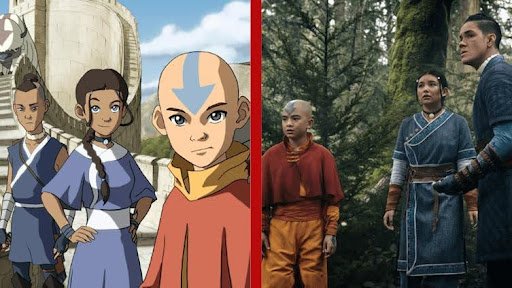
(Image source: What’sOnNetflix Article by Ashley Hurst)
None of this is to say that remakes can’t be solid works on their own, but the issue lies with trying too hard to stand out from the original by being more “mature.”
One of the most common criticisms animated works often receive is that they’re mainly targeted at younger audiences. Shows like Avatar: The Last Airbender, however, have proven that animation can still captivate people of all ages through being beautifully sketched and well-written.
The thrilling action and charming humor often served as a reprieve from the suffering and loss brought on by the Fire Nation’s conquests. Experiencing this brutality from a 12-year-old boy’s perspective is what made Avatar so impactful for its similarly aged target audience. At the same time, Anng’s determination to fight on in spite of the many hardships he faces is an ideal anyone can be inspired by. What brings it all together is the show’s ability to balance its serious drama and lighthearted antics whenever it’s appropriate for the story.
By contrast, Netflix’s live-action Avatar drops most of the humor for a more serious tone. While that could be argued as an improvement, many iconic moments from the cartoon end up diminished due to the characters not being as lively and the action lacking the same impact. Watching people bend torrents of water, chunks of earth, bursts of fire, and gusts of air at each other simply works better in animation, where there’s no burden of uncanny realism or actors trying to stay in rhythm with all the surrounding CGI.
Despite Netflix’s Avatar having longer episodes, it wastes time establishing itself as the darker, adult version instead of properly conveying the heartfelt story and imaginative worldbuilding that made people love Avatar in the first place.
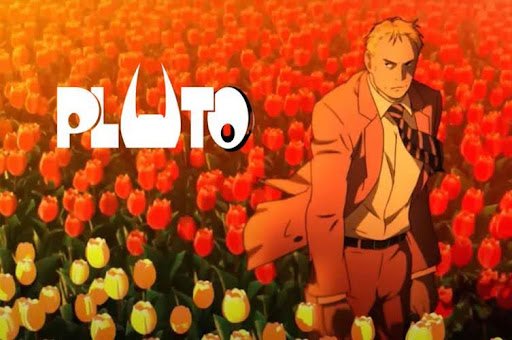
(Image Source: Pluto Review by Cinematic Point of View)
Japanese studios recognized the effectiveness of telling complex stories through animation long ago, which is why anime remains so popular with each new generation.
Despite not receiving much attention at its 2023 release, Pluto has become an unsung masterpiece for those who’ve seen it. The story follows a robot detective named Gesicht as he investigates a series of murders in a society where AI constructs have been widely accepted by humans as equal citizens. It’s a thoughtful exploration of the meaning of life, robots dealing with trauma through their perfect memories, and how ambition can be a force for both good and evil.
Pluto is a grounded setting that could potentially be brought into live action with enough effort. However, even if it were reconstructed frame by frame like the 2017 Ghost in the Shell film, many creative flourishes, such as the dreamlike flashbacks, certain robots’ powers, and the psychedelic vision sequences, would come off as uncanny and awkward. Since animation isn’t bound by the limitations of realism, it’s free to heighten mundane things like characters talking in a room or playing the piano through expressive line work to emphasize certain details or jumping between different perspectives seamlessly.
In short, Pluto is a prime example of how animation can tell thought-provoking stories while retaining the core elements that set it apart from film.
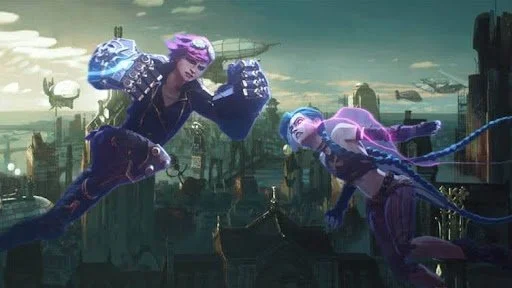
(Image Source: Arcane Season 1&2 Recap Article by Game Rant)
As of 2025, adult-oriented animation is becoming far more prolific than ever before.
The notion that animation is solely a kids’ genre has been shattered thanks to the smash successes of shows like Arcane and Blue Eye Samurai. Like Avatar and Pluto, they take full advantage of the art form whilst tackling themes that wouldn’t be out of place in Game of Thrones.
It’s a welcome turn that further illustrates how unnecessary live-action remakes are. All stories demand suspension of disbelief in some form. Animation may require it more than film, but that doesn’t detract from how much more effective it can be when done right. That isn’t to say it’s an outright superior form of storytelling, but the idea that turning something animated into live action always makes it better needs to end.
It's a disservice to the strengths of both mediums, and it creates needless animosity when it ought to inspire fans of both sides to respect what they each do to bring great stories to life.
